Select the design language
Identify the preferred colours, quilting, piping, surface divisions and trim character.
Seat family and cabin role
Materials, colours and functions
Vehicle, rails and clearances
Written specification and QC
Ship, fit and function-check
OS-VIP-VS07 · Complete-cabin seat specification
Follow how headrests, backrests, cushions, centre sections, side trim and rear seating can share one approved design language across a complete executive cabin.
How to use this library
Identify the preferred colours, quilting, piping, surface divisions and trim character.
Confirm seat architecture, armrests, controls, consoles, rear seating and passenger features.
Review the exact cabin, floor, rails, electrical system, doorway and movement clearance.
Connect the selected seats to matching cabin components and a documented installation plan.
Design detail 01
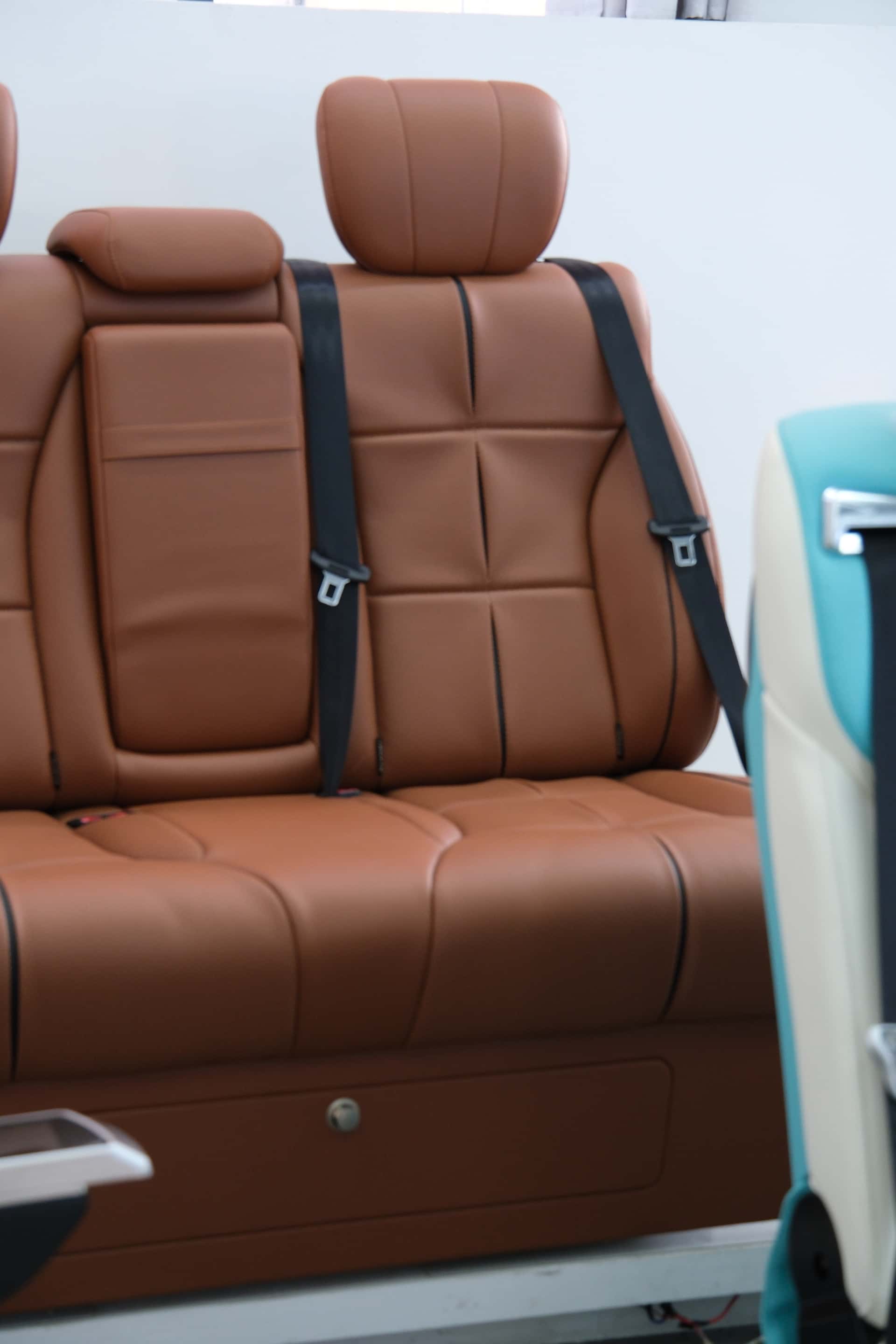
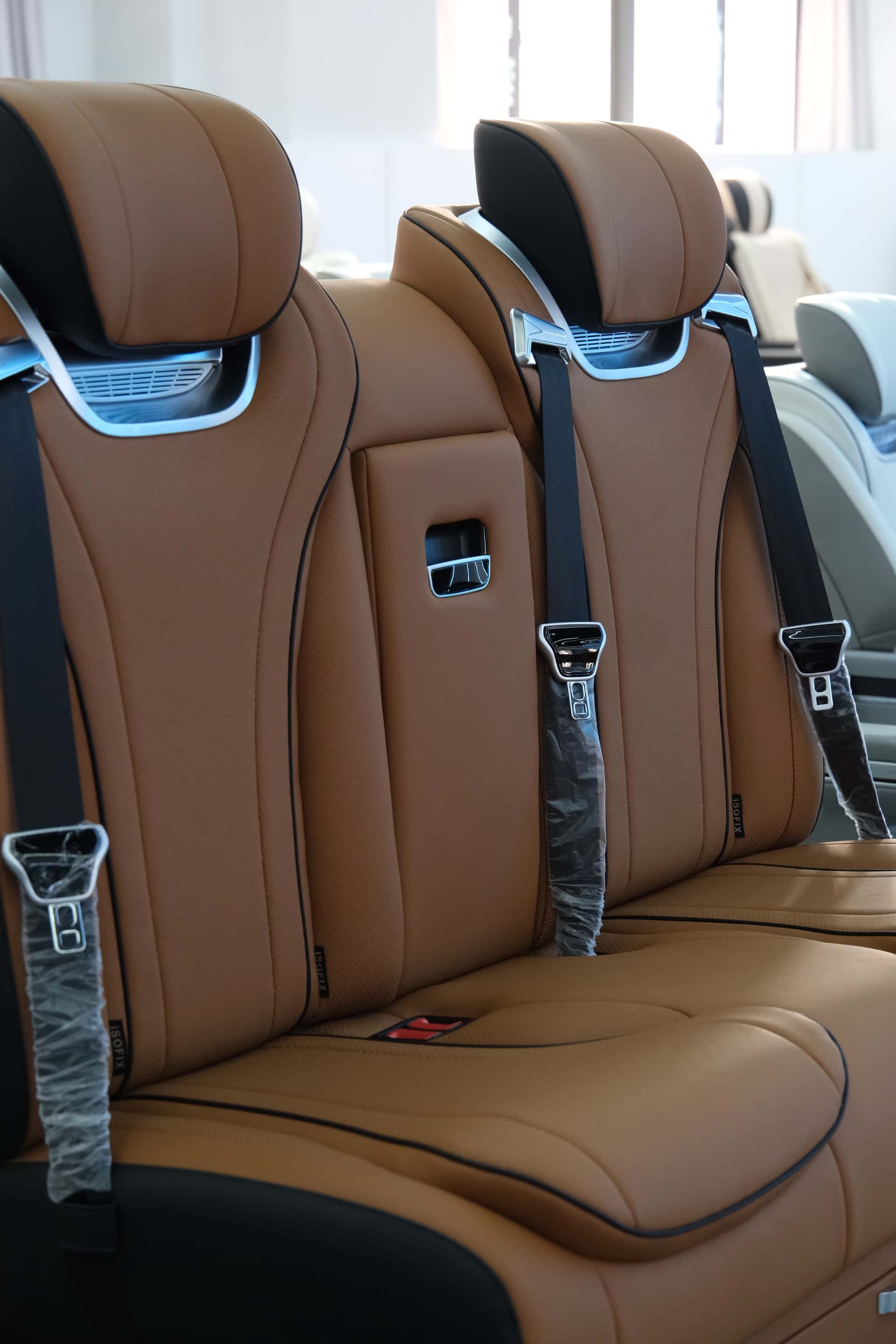
Begin with complete-seat and grouped views. Compare the colour programme, headrest shape, shoulder width, backrest treatment, cushion proportion and relationship between individual seats and coordinated rear seating.
This upholstery distribution — selection study helps compare visible seat proportions, upholstery transitions and component coordination within the coordinated upholstery and rear seating systems programme. Materials, functions, dimensions, mounting and vehicle compatibility remain subject to the selected model and approved project specification.
This passenger-facing design — selection study helps compare visible seat proportions, upholstery transitions and component coordination within the coordinated upholstery and rear seating systems programme. Materials, functions, dimensions, mounting and vehicle compatibility remain subject to the selected model and approved project specification.
This seat and cabin relationship — selection study helps compare visible seat proportions, upholstery transitions and component coordination within the coordinated upholstery and rear seating systems programme. Materials, functions, dimensions, mounting and vehicle compatibility remain subject to the selected model and approved project specification.
This visible architecture — selection study helps compare visible seat proportions, upholstery transitions and component coordination within the coordinated upholstery and rear seating systems programme. Materials, functions, dimensions, mounting and vehicle compatibility remain subject to the selected model and approved project specification.
This material transition — selection study helps compare visible seat proportions, upholstery transitions and component coordination within the coordinated upholstery and rear seating systems programme. Materials, functions, dimensions, mounting and vehicle compatibility remain subject to the selected model and approved project specification.
This colour balance — selection study helps compare visible seat proportions, upholstery transitions and component coordination within the coordinated upholstery and rear seating systems programme. Materials, functions, dimensions, mounting and vehicle compatibility remain subject to the selected model and approved project specification.
This edge and panel detailing — selection study helps compare visible seat proportions, upholstery transitions and component coordination within the coordinated upholstery and rear seating systems programme. Materials, functions, dimensions, mounting and vehicle compatibility remain subject to the selected model and approved project specification.
This passenger comfort context — selection study helps compare visible seat proportions, upholstery transitions and component coordination within the coordinated upholstery and rear seating systems programme. Materials, functions, dimensions, mounting and vehicle compatibility remain subject to the selected model and approved project specification.
This component alignment — selection study helps compare visible seat proportions, upholstery transitions and component coordination within the coordinated upholstery and rear seating systems programme. Materials, functions, dimensions, mounting and vehicle compatibility remain subject to the selected model and approved project specification.
This paired-seat coordination — selection study helps compare visible seat proportions, upholstery transitions and component coordination within the coordinated upholstery and rear seating systems programme. Materials, functions, dimensions, mounting and vehicle compatibility remain subject to the selected model and approved project specification.
This project specification reference — selection study helps compare visible seat proportions, upholstery transitions and component coordination within the coordinated upholstery and rear seating systems programme. Materials, functions, dimensions, mounting and vehicle compatibility remain subject to the selected model and approved project specification.
This overall proportion — material-planning study helps compare visible seat proportions, upholstery transitions and component coordination within the coordinated upholstery and rear seating systems programme. Materials, functions, dimensions, mounting and vehicle compatibility remain subject to the selected model and approved project specification.
Design detail 02
Move closer to perforation, quilting, piping, stitching, panel transitions and high-contact surfaces. These details guide material-sample discussions while exact material grade and colour remain controlled by the approved specification.
This visible surface relationship — material-planning study helps compare visible seat proportions, upholstery transitions and component coordination within the coordinated upholstery and rear seating systems programme. Materials, functions, dimensions, mounting and vehicle compatibility remain subject to the selected model and approved project specification.
This colour and trim coordination — material-planning study helps compare visible seat proportions, upholstery transitions and component coordination within the coordinated upholstery and rear seating systems programme. Materials, functions, dimensions, mounting and vehicle compatibility remain subject to the selected model and approved project specification.
This upholstery distribution — material-planning study helps compare visible seat proportions, upholstery transitions and component coordination within the coordinated upholstery and rear seating systems programme. Materials, functions, dimensions, mounting and vehicle compatibility remain subject to the selected model and approved project specification.
This passenger-facing design — material-planning study helps compare visible seat proportions, upholstery transitions and component coordination within the coordinated upholstery and rear seating systems programme. Materials, functions, dimensions, mounting and vehicle compatibility remain subject to the selected model and approved project specification.
This seat and cabin relationship — material-planning study helps compare visible seat proportions, upholstery transitions and component coordination within the coordinated upholstery and rear seating systems programme. Materials, functions, dimensions, mounting and vehicle compatibility remain subject to the selected model and approved project specification.
This visible architecture — material-planning study helps compare visible seat proportions, upholstery transitions and component coordination within the coordinated upholstery and rear seating systems programme. Materials, functions, dimensions, mounting and vehicle compatibility remain subject to the selected model and approved project specification.
This material transition — material-planning study helps compare visible seat proportions, upholstery transitions and component coordination within the coordinated upholstery and rear seating systems programme. Materials, functions, dimensions, mounting and vehicle compatibility remain subject to the selected model and approved project specification.
This colour balance — material-planning study helps compare visible seat proportions, upholstery transitions and component coordination within the coordinated upholstery and rear seating systems programme. Materials, functions, dimensions, mounting and vehicle compatibility remain subject to the selected model and approved project specification.
This edge and panel detailing — material-planning study helps compare visible seat proportions, upholstery transitions and component coordination within the coordinated upholstery and rear seating systems programme. Materials, functions, dimensions, mounting and vehicle compatibility remain subject to the selected model and approved project specification.
This passenger comfort context — material-planning study helps compare visible seat proportions, upholstery transitions and component coordination within the coordinated upholstery and rear seating systems programme. Materials, functions, dimensions, mounting and vehicle compatibility remain subject to the selected model and approved project specification.
This component alignment — material-planning study helps compare visible seat proportions, upholstery transitions and component coordination within the coordinated upholstery and rear seating systems programme. Materials, functions, dimensions, mounting and vehicle compatibility remain subject to the selected model and approved project specification.
This paired-seat coordination — material-planning study helps compare visible seat proportions, upholstery transitions and component coordination within the coordinated upholstery and rear seating systems programme. Materials, functions, dimensions, mounting and vehicle compatibility remain subject to the selected model and approved project specification.
Design detail 03
Assess armrests, consoles, belt presentation, visible controls, charging or storage opportunities and passenger-facing details. Functions are confirmed only when supported by the selected seat architecture and written electrical schedule.
This project specification reference — material-planning study helps compare visible seat proportions, upholstery transitions and component coordination within the coordinated upholstery and rear seating systems programme. Materials, functions, dimensions, mounting and vehicle compatibility remain subject to the selected model and approved project specification.
This overall proportion — configuration study helps compare visible seat proportions, upholstery transitions and component coordination within the coordinated upholstery and rear seating systems programme. Materials, functions, dimensions, mounting and vehicle compatibility remain subject to the selected model and approved project specification.
This visible surface relationship — configuration study helps compare visible seat proportions, upholstery transitions and component coordination within the coordinated upholstery and rear seating systems programme. Materials, functions, dimensions, mounting and vehicle compatibility remain subject to the selected model and approved project specification.
This colour and trim coordination — configuration study helps compare visible seat proportions, upholstery transitions and component coordination within the coordinated upholstery and rear seating systems programme. Materials, functions, dimensions, mounting and vehicle compatibility remain subject to the selected model and approved project specification.
This upholstery distribution — configuration study helps compare visible seat proportions, upholstery transitions and component coordination within the coordinated upholstery and rear seating systems programme. Materials, functions, dimensions, mounting and vehicle compatibility remain subject to the selected model and approved project specification.
This passenger-facing design — configuration study helps compare visible seat proportions, upholstery transitions and component coordination within the coordinated upholstery and rear seating systems programme. Materials, functions, dimensions, mounting and vehicle compatibility remain subject to the selected model and approved project specification.
This seat and cabin relationship — configuration study helps compare visible seat proportions, upholstery transitions and component coordination within the coordinated upholstery and rear seating systems programme. Materials, functions, dimensions, mounting and vehicle compatibility remain subject to the selected model and approved project specification.
This visible architecture — configuration study helps compare visible seat proportions, upholstery transitions and component coordination within the coordinated upholstery and rear seating systems programme. Materials, functions, dimensions, mounting and vehicle compatibility remain subject to the selected model and approved project specification.
This material transition — configuration study helps compare visible seat proportions, upholstery transitions and component coordination within the coordinated upholstery and rear seating systems programme. Materials, functions, dimensions, mounting and vehicle compatibility remain subject to the selected model and approved project specification.
This colour balance — configuration study helps compare visible seat proportions, upholstery transitions and component coordination within the coordinated upholstery and rear seating systems programme. Materials, functions, dimensions, mounting and vehicle compatibility remain subject to the selected model and approved project specification.
This edge and panel detailing — configuration study helps compare visible seat proportions, upholstery transitions and component coordination within the coordinated upholstery and rear seating systems programme. Materials, functions, dimensions, mounting and vehicle compatibility remain subject to the selected model and approved project specification.
This passenger comfort context — configuration study helps compare visible seat proportions, upholstery transitions and component coordination within the coordinated upholstery and rear seating systems programme. Materials, functions, dimensions, mounting and vehicle compatibility remain subject to the selected model and approved project specification.
Design detail 04
Use paired seats, rear arrangements and showroom comparisons to plan one coordinated interior. Final fitment depends on the exact vehicle, floor, rails, electrical architecture, doorway and passenger-clearance measurements.
This component alignment — configuration study helps compare visible seat proportions, upholstery transitions and component coordination within the coordinated upholstery and rear seating systems programme. Materials, functions, dimensions, mounting and vehicle compatibility remain subject to the selected model and approved project specification.
This paired-seat coordination — configuration study helps compare visible seat proportions, upholstery transitions and component coordination within the coordinated upholstery and rear seating systems programme. Materials, functions, dimensions, mounting and vehicle compatibility remain subject to the selected model and approved project specification.
This project specification reference — configuration study helps compare visible seat proportions, upholstery transitions and component coordination within the coordinated upholstery and rear seating systems programme. Materials, functions, dimensions, mounting and vehicle compatibility remain subject to the selected model and approved project specification.
This overall proportion — vehicle-project study helps compare visible seat proportions, upholstery transitions and component coordination within the coordinated upholstery and rear seating systems programme. Materials, functions, dimensions, mounting and vehicle compatibility remain subject to the selected model and approved project specification.
This visible surface relationship — vehicle-project study helps compare visible seat proportions, upholstery transitions and component coordination within the coordinated upholstery and rear seating systems programme. Materials, functions, dimensions, mounting and vehicle compatibility remain subject to the selected model and approved project specification.
This colour and trim coordination — vehicle-project study helps compare visible seat proportions, upholstery transitions and component coordination within the coordinated upholstery and rear seating systems programme. Materials, functions, dimensions, mounting and vehicle compatibility remain subject to the selected model and approved project specification.
This upholstery distribution — vehicle-project study helps compare visible seat proportions, upholstery transitions and component coordination within the coordinated upholstery and rear seating systems programme. Materials, functions, dimensions, mounting and vehicle compatibility remain subject to the selected model and approved project specification.
This passenger-facing design — vehicle-project study helps compare visible seat proportions, upholstery transitions and component coordination within the coordinated upholstery and rear seating systems programme. Materials, functions, dimensions, mounting and vehicle compatibility remain subject to the selected model and approved project specification.
This seat and cabin relationship — vehicle-project study helps compare visible seat proportions, upholstery transitions and component coordination within the coordinated upholstery and rear seating systems programme. Materials, functions, dimensions, mounting and vehicle compatibility remain subject to the selected model and approved project specification.
This visible architecture — vehicle-project study helps compare visible seat proportions, upholstery transitions and component coordination within the coordinated upholstery and rear seating systems programme. Materials, functions, dimensions, mounting and vehicle compatibility remain subject to the selected model and approved project specification.
This material transition — vehicle-project study helps compare visible seat proportions, upholstery transitions and component coordination within the coordinated upholstery and rear seating systems programme. Materials, functions, dimensions, mounting and vehicle compatibility remain subject to the selected model and approved project specification.
This colour balance — vehicle-project study helps compare visible seat proportions, upholstery transitions and component coordination within the coordinated upholstery and rear seating systems programme. Materials, functions, dimensions, mounting and vehicle compatibility remain subject to the selected model and approved project specification.
Apply the design direction
Technical pathways
OS-VIP-300
Two- and three-place rear seating coordinated with the captain-seat colour, quilting and trim programme.
ContinueOS-MAT-100
Material choice is documented by grade, colour, perforation, use area and care requirements—not by a generic luxury label.
ContinueOS-CAB-100
Partition walls, side modules, entertainment housings, storage and matching consoles can be planned as one cabin system.
ContinueGet In Touch
Send the exact vehicle, cabin dimensions, selected seat design, required functions, colour programme, seat quantity and destination for technical review and quotation.
Usually replies within one business day · Handled by the OWNSILENT team
Prefer email? Reach us at sales@ownsilent.international
Related pages
Manufacturing
Manufacturing
Manufacturing
Manufacturing
Manufacturing
Manufacturing
Fitment before production
The correct configuration depends on cabin dimensions, mounting, movement, passenger clearance, retained systems and the final electrical scope. Confirm these before quotation and production approval.
Brand, model, year, wheelbase and VIN where required.
Wide cabin views, current seats, floor, rails, doors and rear passenger area.
Usable width, seat pitch, rail spacing, mounting height and required passenger clearance.
Seat quantity, orientation, aisle/console requirements and desired movement envelope.
Confirmed controls, retained vehicle functions, charging, lighting and other project-specific interfaces.
Seat code, upholstery, functions, included parts, exclusions, inspection checkpoints and destination.