OWNSILENT
01Understand

Choose component or programme

02Specify

Material, finish and scope

03Inspect

Real carbon references

04Verify

VIN, interfaces and fitment

05Request

Approve scope before production

Stage 03

Automotive Carbon Fiber Material Selection

Understand carbon filaments, tow, weave, precursor systems, prepreg and dry reinforcement before choosing a manufacturing route.

Carbon-fiber laminate and resin preparation in the production environment
Material & laminate preparation — general Own Silent carbon-fiber manufacturing reference.
PROCESS 01

Filaments, tow & fabric

Carbon fiber starts as very fine filaments, commonly about 5–10 micrometers in diameter. Thousands of filaments are grouped into a tow, which can then be used directly or converted into woven, braided or other reinforcement forms. Fabric appearance depends on yarn size and weave choice.
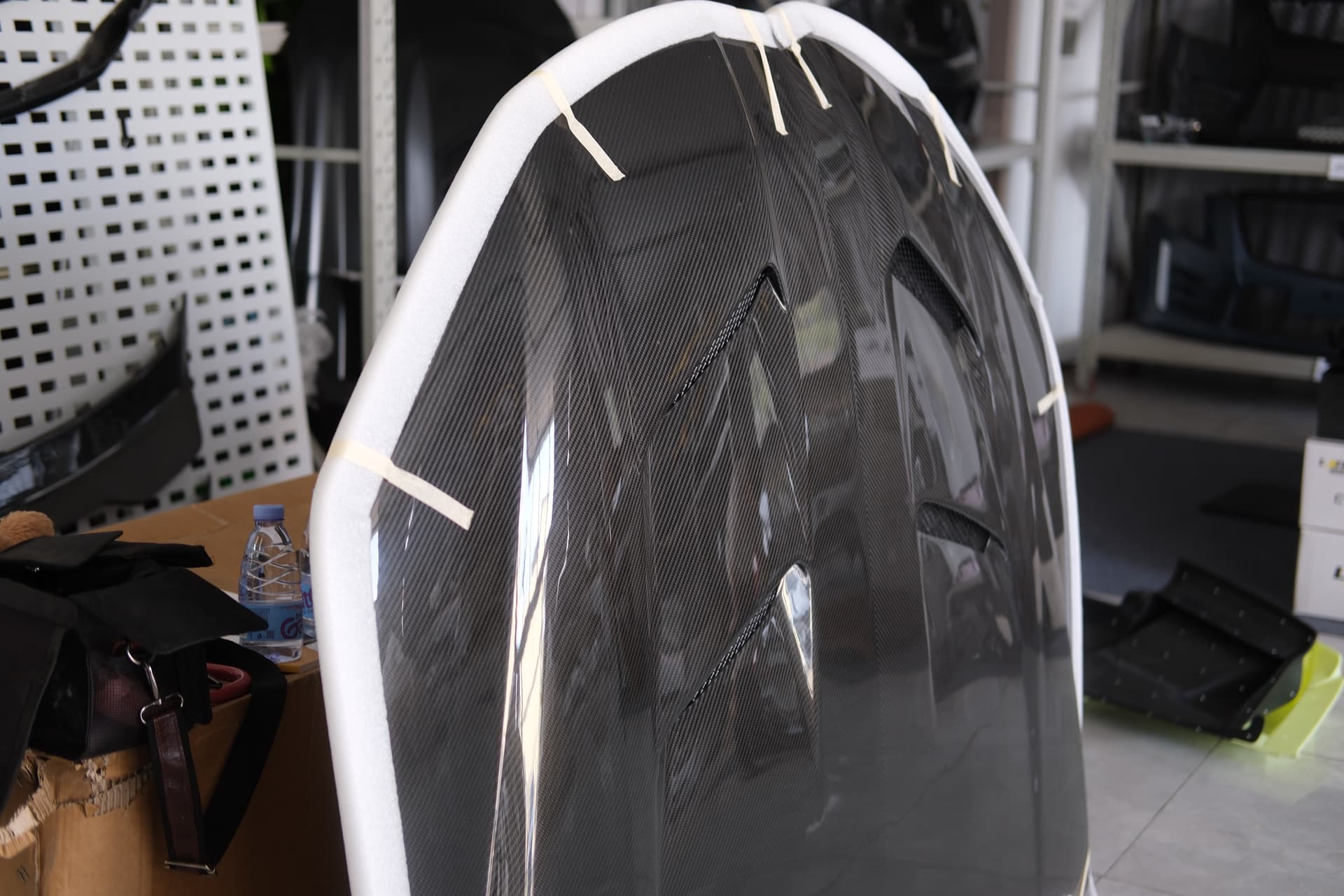
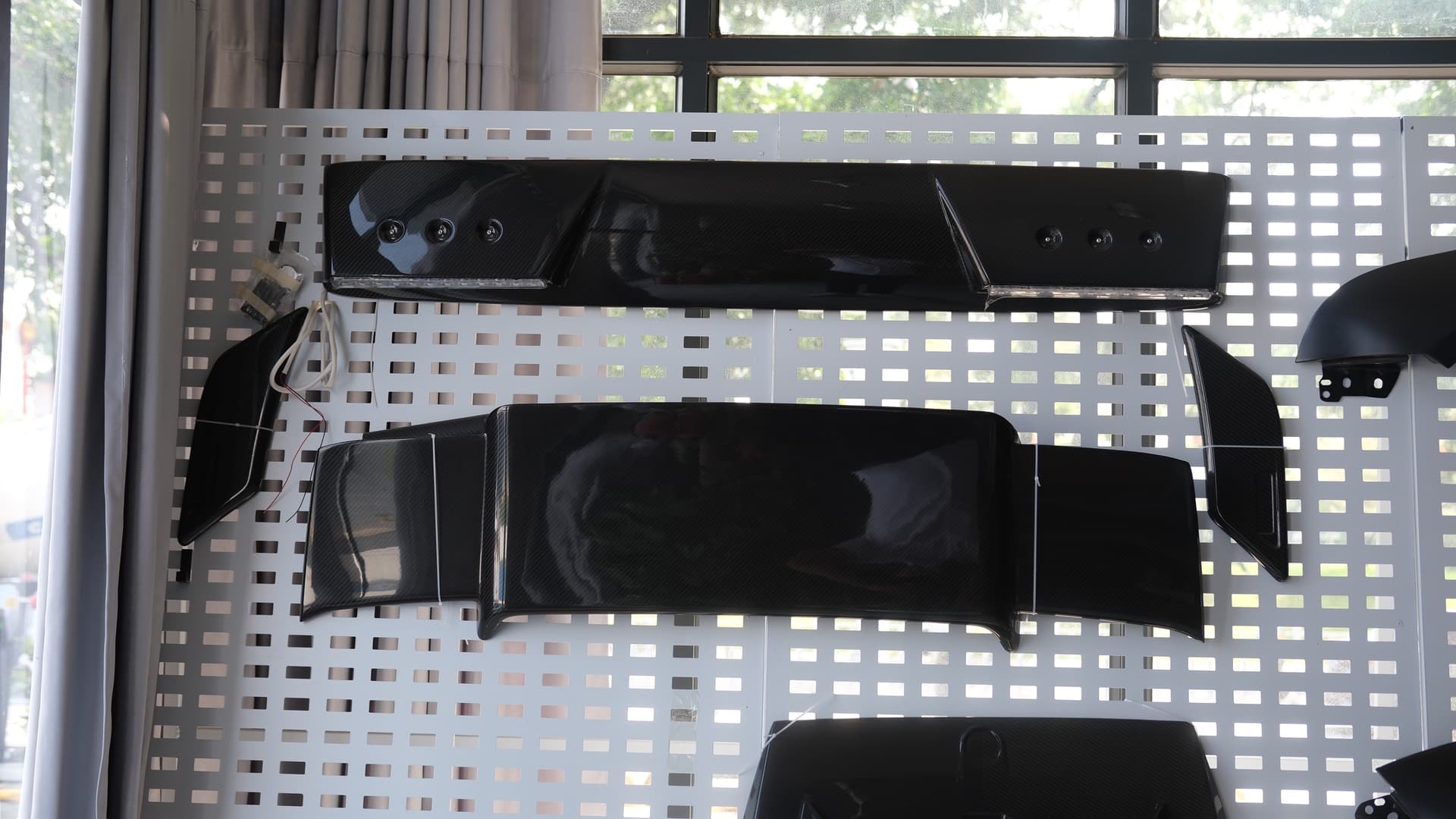
Carbon-fiber component during vehicle fitment review
Vehicle fitment review. OWNSILENT project/manufacturing image used as a visual reference; it is not claimed to depict every technical statement in this section.
PROCESS 02

PAN, rayon & pitch precursors

Carbon fibers can be produced from precursor materials including polyacrylonitrile (PAN), rayon and petroleum pitch. The precursor and heat-treatment route influence the resulting fiber structure and properties, so 'carbon fiber' is not one universal reinforcement grade.

Finished carbon-fiber exterior component ready for inspection
Finished-part inspection. OWNSILENT project/manufacturing image used as a visual reference; it is not claimed to depict every technical statement in this section.
PROCESS 03

Woven & unidirectional reinforcement

Woven reinforcement provides fibers in more than one direction, while unidirectional material concentrates reinforcement along selected directions. CFRP is anisotropic, so orientation is part of the engineering specification rather than only a visual weave choice.

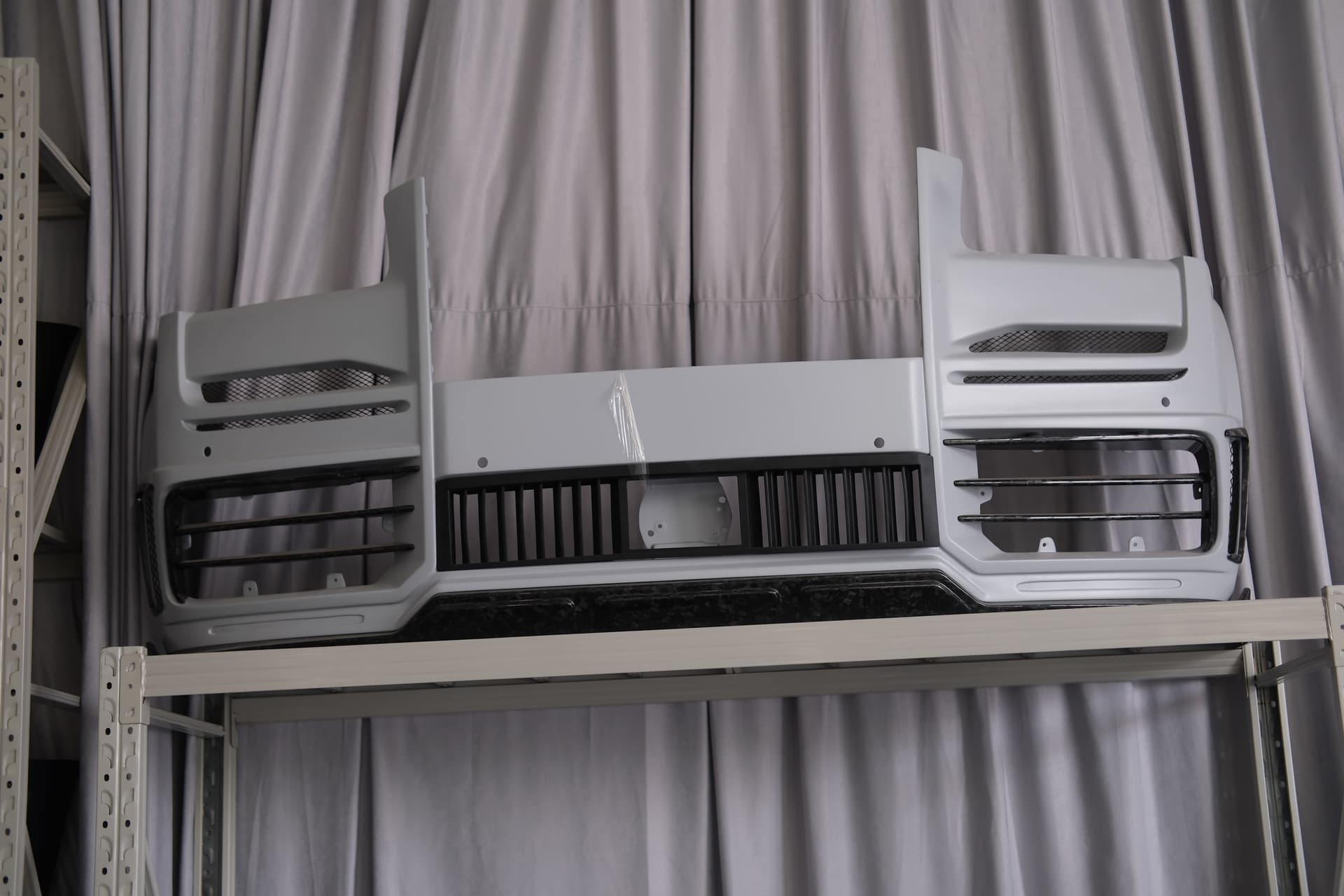
Carbon-fiber front body component prepared for product review
Automotive carbon component. OWNSILENT project/manufacturing image used as a visual reference; it is not claimed to depict every technical statement in this section.
PROCESS 04

Prepreg reinforcement

Prepreg is reinforcement supplied with a partially cured polymer matrix already incorporated. Thermoset prepregs are commonly stored cold to slow further curing and are later formed and cured using an appropriate oven or autoclave process where specified.

Carbon-fiber rear exterior component prepared for fitment
Exterior component scope. OWNSILENT project/manufacturing image used as a visual reference; it is not claimed to depict every technical statement in this section.
PROCESS 05

Dry-fiber preforms

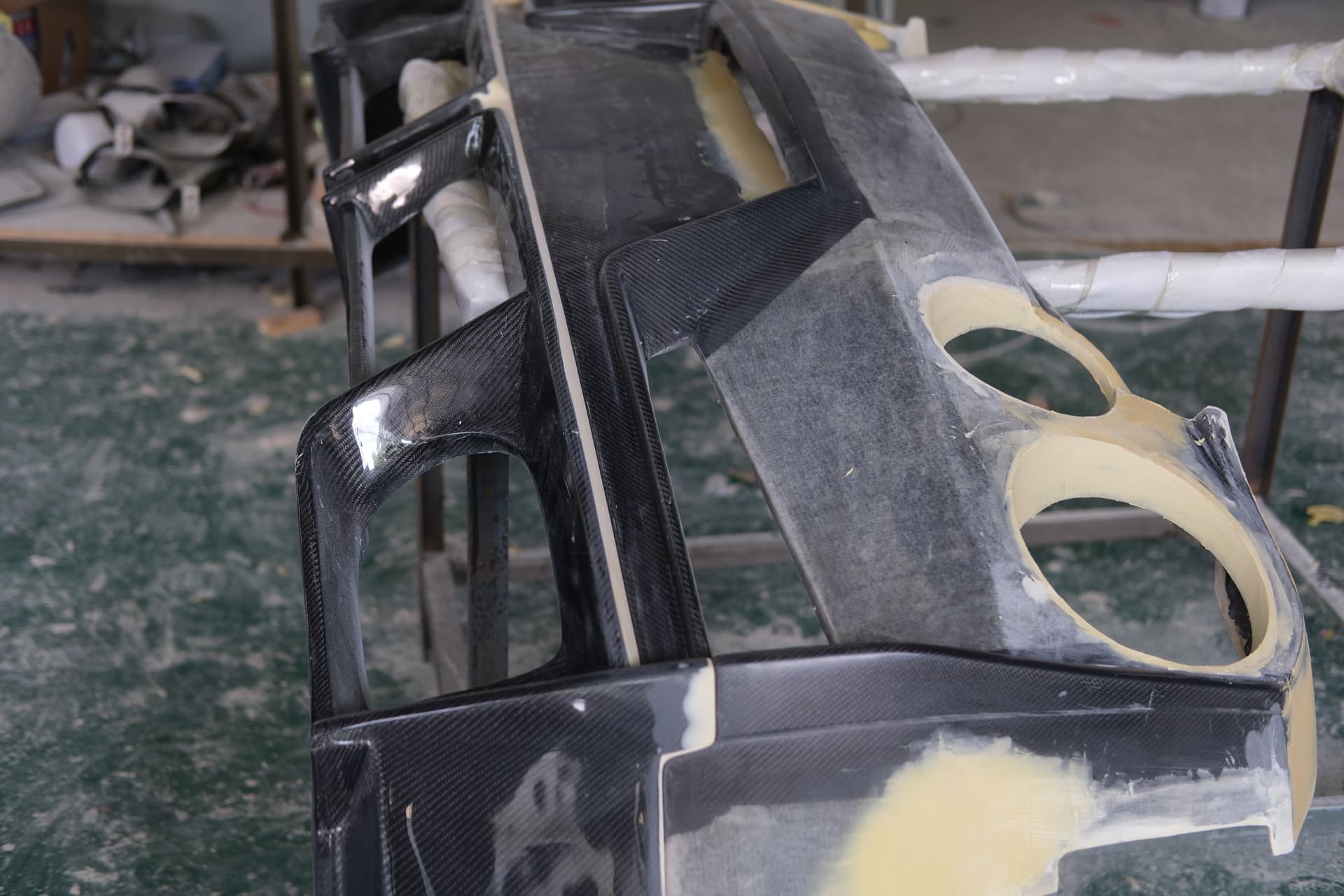
Dry reinforcement can be cut and shaped into a preform before resin is introduced in a closed-mould process such as resin transfer moulding or vacuum-assisted variants.

Carbon-fiber component mould prepared for production
Tooling & mould preparation. OWNSILENT project/manufacturing image used as a visual reference; it is not claimed to depict every technical statement in this section.
PROCESS 06

Chopped carbon & compression-moulded routes

Short or chopped-fiber systems use a different reinforcement architecture from continuous woven laminates. Their moulding route, fiber orientation and resulting mechanical behavior should be treated separately from conventional visible woven-carbon parts.

Carbon-fiber laminate and resin preparation in the production environment
Material & laminate preparation. OWNSILENT project/manufacturing image used as a visual reference; it is not claimed to depict every technical statement in this section.

Research sources

Wikipedia technical background used for this guide

The factual background is paraphrased and organized for automotive use. OWNSILENT project images are separate visual references and are not presented as Wikipedia media.

Related verified vehicle programmes

See this manufacturing knowledge connected to real carbon-fiber pages

Get In Touch

Discuss a carbon-fiber manufacturing programme

Send the vehicle or component reference, required parts, preferred material and finish, quantity and destination country for project review.

Usually replies within one business day · Handled by the OWNSILENT team

Prefer email? Reach us at sales@ownsilent.international

WhatsApp

We only use your details to answer your enquiry. No spam.

Before production

Fitment is part of the carbon-fiber specification.

The vehicle name alone is not enough for a custom composite order. The exact interfaces, finish direction and supplied component schedule should be confirmed before production.

OWNSILENT product scope

Customer-facing category, programme and supplied component definition.

OWNSILENT project image

Existing project or manufacturing media already held in the OWNSILENT library.

Visual description

A description of what is visibly shown without claiming an unsupported manufacturing step.

Fitment confirmation

Vehicle-specific details that require VIN, photos, mounting or interface review.

VIN & exact vehicle

Confirm model year, market specification, body style and current exterior configuration.

Current vehicle photos

Front, side, rear and the exact component area should be documented before quotation.

Material & finish

Dry carbon, forged-carbon appearance, exposed weave, painted zones and clear finish must be defined.

Interfaces

Confirm sensors, cameras, lamps, grilles, exhaust outlets, undertrays and adjacent panels.

Mounting & trial fit

Brackets, hardware, panel gaps and left/right alignment should be reviewed before final finishing.

Approved supplied scope

The final component schedule should state each supplied panel, trim piece, mesh, bracket and hardware item.