
Physical pattern references
Confirmed individually against the vehicle, component and written order specification.
Vehicle and current cabin
Materials, colour and surface
Interfaces, structures and fitment
Upholstery, trim and assembly
Install, QC and dispatch
Phase 02 · Design and material specification
05 · Design and materials
Pattern scale and stitch direction can change how an interior surface reads across a seat centre or panel insert. Physical references make those choices easier to review before the selected design is applied to full components.

Related upholstered pieces are reviewed together to check that pattern direction and colour remain coordinated across the component set.
Confirmed individually against the vehicle, component and written order specification.
Confirmed individually against the vehicle, component and written order specification.
Confirmed individually against the vehicle, component and written order specification.
Confirmed individually against the vehicle, component and written order specification.
Design and specification
This page is one technical chapter within OWNSILENT's complete interior conversion system. It connects the component design to specification, manufacturing, quality review and vehicle fitment.
Component proportions, surface treatments and interface relationships guide design approval without turning one prior configuration into a fixed package.
Visible details are reviewed together with the wider cabin direction so colour, pattern, stitch and adjoining trim do not become disconnected decisions.
Every production order is controlled by a written specification and verified vehicle data. Any unconfirmed detail remains subject to approval.
Specification controls
These controls keep patterns and quilting connected to the full conversion kit and the exact vehicle rather than treating it as an isolated decorative part.
Brand, model, manufacturing year, market specification, VIN, current cabin dimensions and steering position.
The supplied parts, reused original parts, retained openings, controls, mounts and adjoining trim are identified in writing.
Colour, grain, perforation, quilting, piping, thread and any logo treatment are confirmed against available physical references.
Displays, vents, speakers, switches, wiring, sensors and mechanical functions remain part of the engineering review.
Panel divisions, stitch direction, edge transitions and front-to-rear relationships are checked as one cabin programme.
Surface finish, interfaces and component condition are inspected before packing, dispatch or the next installation stage.
Component specification details
Each selected detail covers a distinct component, interface, material transition or surface finish relevant to this chapter.
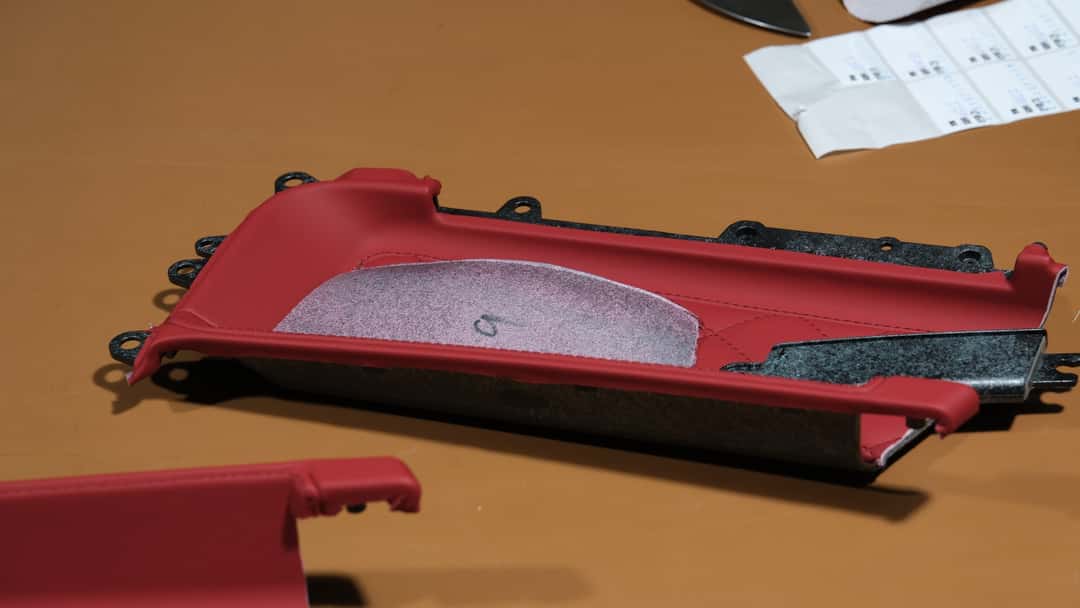
This completed insert records the relationship between quilting, shaped borders and the retained metallic interface.
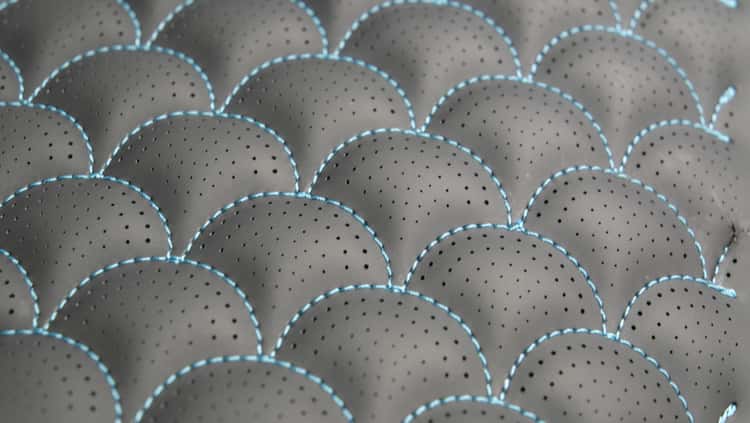
Repeating perforations and contrast stitching provide a clear reference for one available surface direction.

Contrasting thread clearly defines the repeated scallop geometry and provides a physical reference for stitch placement.
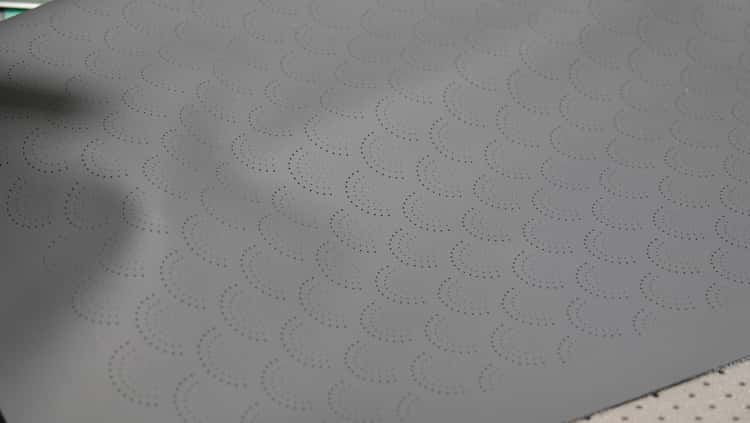
The light sample makes the repeating surface geometry visible before it is considered for a larger cabin component.

A wider sample helps assess perforation rhythm, spacing and overall pattern scale across a continuous surface.

The vertical stitched layout offers a clear reference for direction, proportion and repeat across an orange surface.

An angular stitched sample demonstrates how pattern, perforation and colour can be reviewed together.
Project workflow
The exact workflow changes with the component and vehicle, but every conversion requires traceable decisions before production and a documented checkpoint before dispatch or fitment.
Provide the exact vehicle identity, VIN, market version, steering position and current-cabin dimensions and relevant original-part details.
Confirm what is included around patterns and quilting, what remains original and which connected components must share the same design direction.
Record colour, material, pattern, stitch, piping, logo treatment and interface requirements before production work is authorized.
Review the completed work through the quality inspection record, protect it for shipment and complete professional installation with functional checks where required.
Confirm the exact component, interfaces and product features covered by the page.
Confirm vehicle, component scope, colour and material details in writing before production.
Review visible finish, interfaces and component coordination before the next project stage.
Continue phase 02
Continue through connected chapters without returning to the full category page. Each guide documents a different component, process or project result.

Follow visible covering, tensioning, stitching and edge-finishing stages for steering-wheel and smaller interior trim components.
Open guide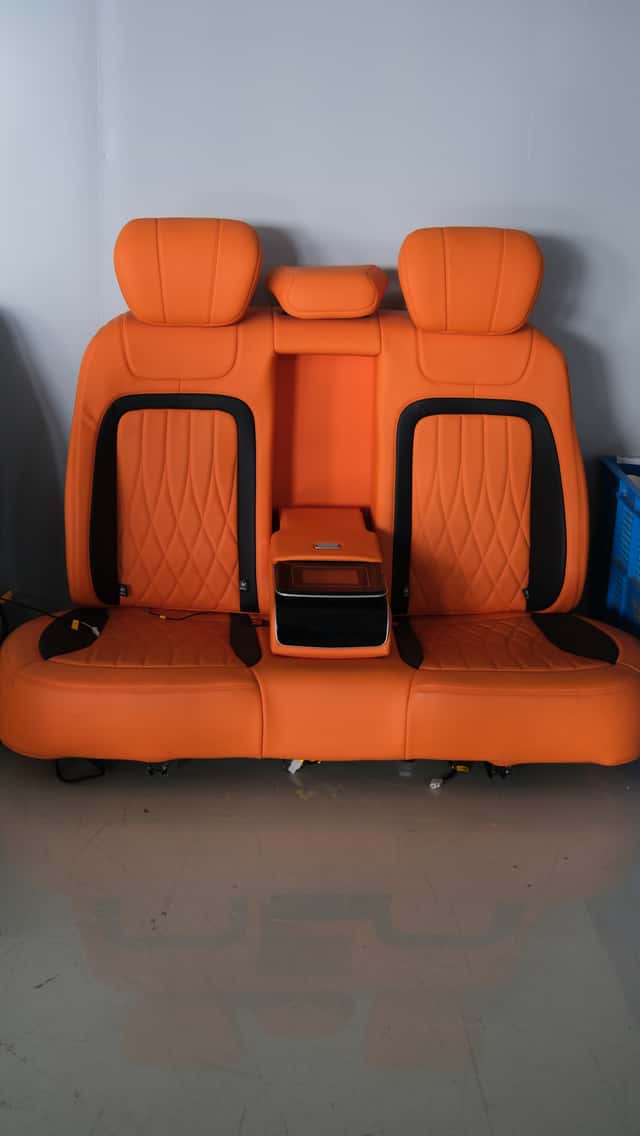
Review completed orange front and rear seating components with coordinated centre patterns, bolsters, headrests and cushion treatments.
Open guide
Explore completed grey and dark seating configurations across perforated centres, quilting, contrast piping and coordinated seat sets.
Open guideThese answers explain how the selected component becomes a controlled, vehicle-specific order.
No. Component scope, colour, material and surface finish are confirmed for each vehicle-specific order.
OWNSILENT reviews the exact brand, model, year, market specification, VIN, steering position and original-cabin dimensions before accepting a vehicle-specific order.
No. Exact material identity, grade, origin and application must be recorded in the official quotation and material approval sheet.
Yes. Available colour, perforation, quilting, stitching, piping, embroidery and supporting trim directions are reviewed during design approval.
Each selected detail records a useful difference in patterns and quilting, such as overall form, side profile, working access, interface openings, adjoining components or visible finish.
Required controls, wiring, sensors, displays, speakers, seat functions and mechanical interfaces are identified during engineering review. Exact retention and any diagnostic or coding requirement must be confirmed for the individual vehicle.
Professional installation is recommended. The installer should verify mounting, electrical connections, retained safety systems, clearances and component operation before the vehicle is returned to use.
Visible finish and component condition are reviewed before protective packing. Shipping method, insurance, destination requirements and installation responsibility are confirmed in the order documentation.
Related pages
Manufacturing
Manufacturing
Manufacturing
Manufacturing
Manufacturing
Manufacturing
Get In Touch
Send the vehicle brand, model, year, VIN, original-cabin dimensions and preferred interior direction for an engineering and specification review.
Usually replies within one business day · Handled by the OWNSILENT team
Prefer email? Reach us at sales@ownsilent.international