

Manufacturing guide73
OWNSILENTCarbon Fiber
Carbon Fiber in Automotive Engineering
How CFRP moved from motorsport and high-performance structures into body panels, wheels, monocoques and premium road-car components.
Read guide
OWNSILENT editorial catalogue
Explore vehicle conversions, interior upgrades and carbon-ceramic brakes. Check compatibility, discover how our parts are made, and find the right upgrade for your vehicle.
Choose a project to see its galleries, specifications and fitment guidance, or search by vehicle and component to find a relevant guide.
Find the right page
Showing 18 of 338 matching pages · Page 5 of 19
How CFRP moved from motorsport and high-performance structures into body panels, wheels, monocoques and premium road-car components.
A detailed view of material placement, laminate architecture, reinforcement and inserts.
Cutting, nesting, orientation and preform preparation establish the material package before lamination or moulding.
Composite tooling translates approved component geometry into repeatable production surfaces.
From vehicle reference data to controlled component geometry before tooling begins.
Vehicle identity, mounting relationships, retained equipment and material-interface checks for made-to-order automotive carbon parts.
Protecting finished composite surfaces and organising international delivery.
A customer-facing inspection framework covering dimensions, appearance, mounting and complete-kit verification.
A practical overview of why CFRP recycling differs from metals and the main mechanical, thermal, chemical and biological recovery approaches.
Surface preparation and finish choices for exposed, painted and custom-colored carbon components.

Production organisation of ring preforms, size groups, pallets and controlled batch separation.
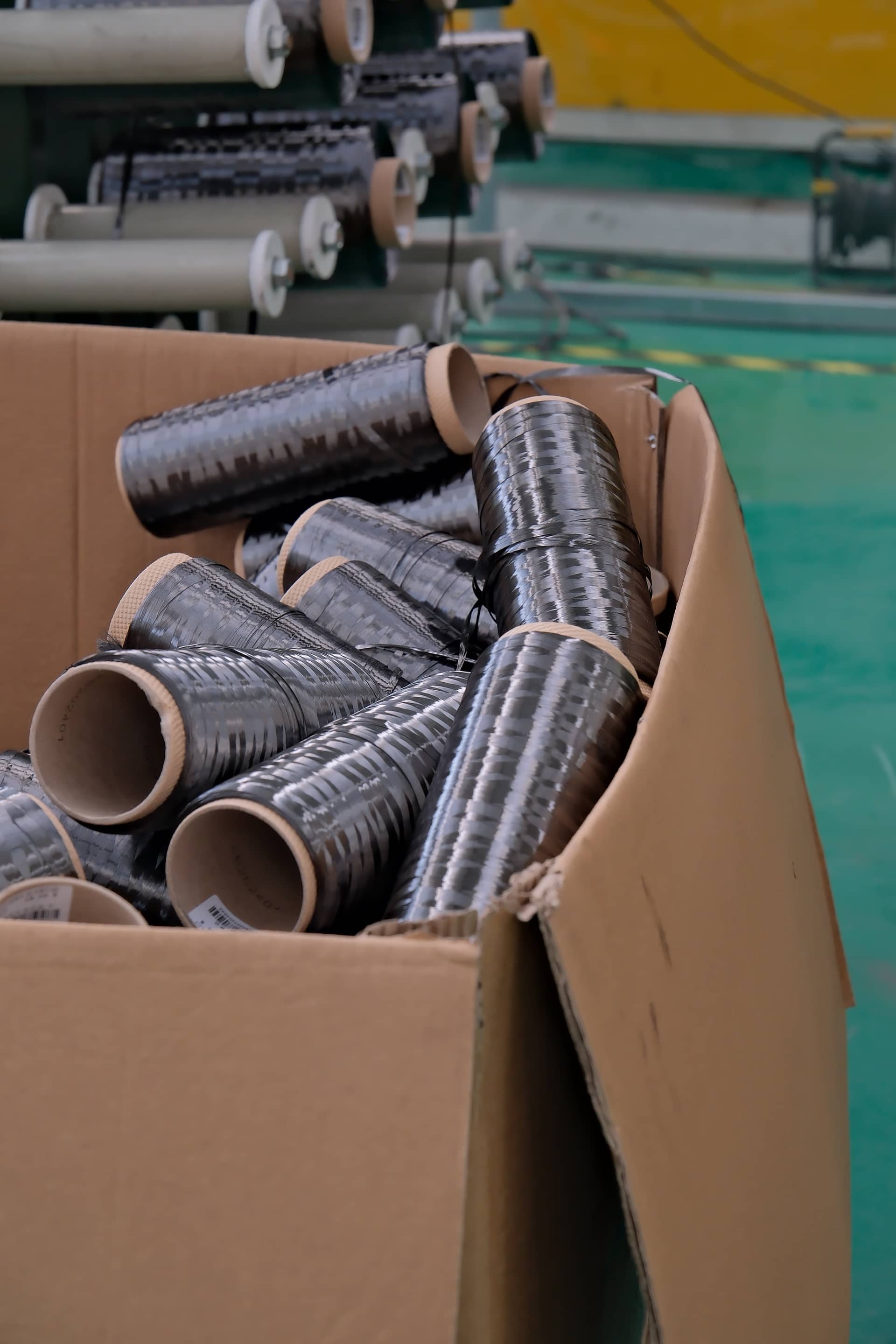
Parallel tow alignment, textile equipment and broad carbon material formation.

Rotor blank support, machine setup and visible turning operations before finishing.
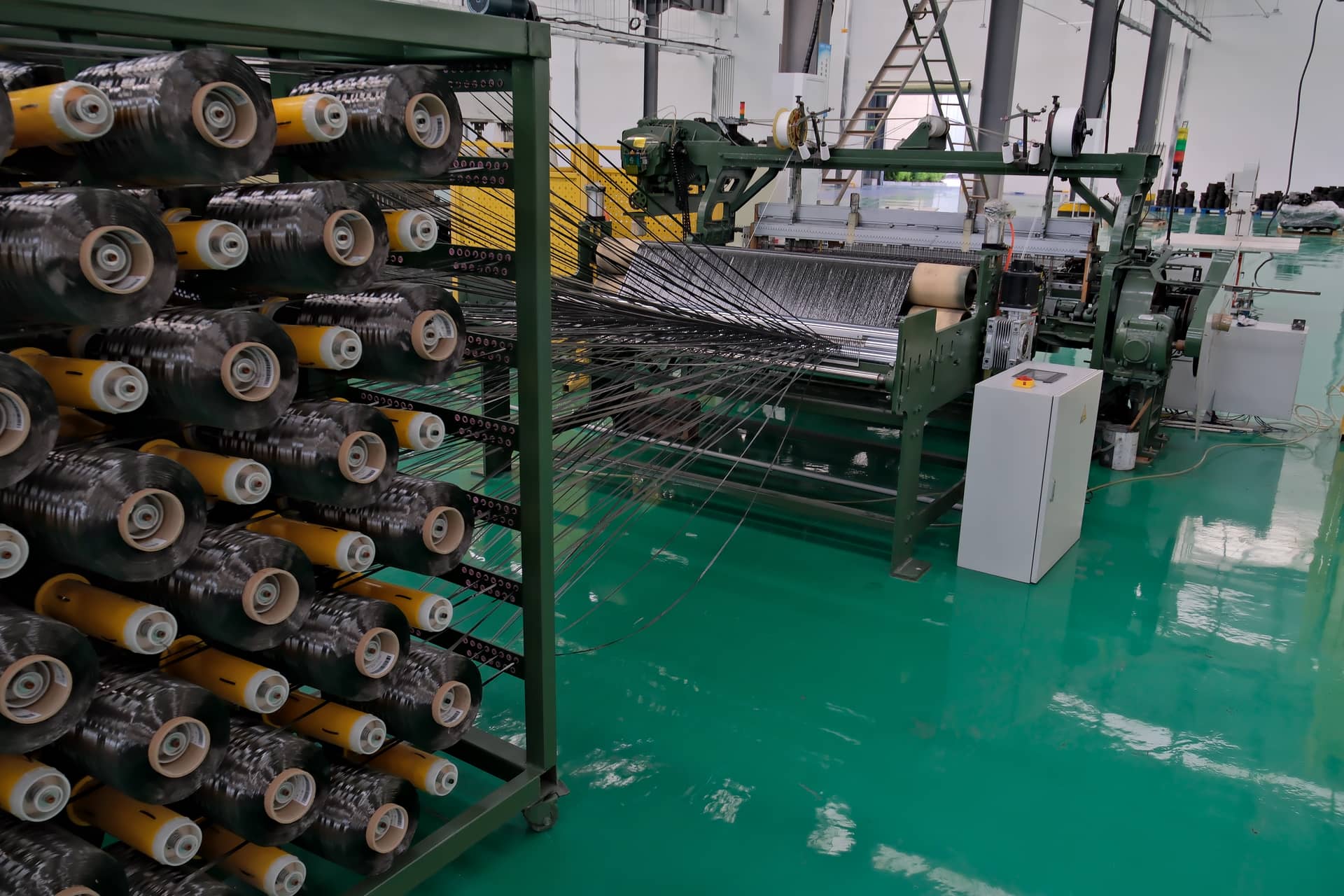
Organised fibre packages and controlled tow paths supporting carbon-ceramic rotor preform preparation.

Explore centre-console assemblies, armrests, lids and storage openings prepared as coordinated cabin components.

Simple powered-lounge visual language with horizontal cushions and an extended lower support.

Bolt pattern, center bore and size range for the Chrome Five-Spoke across 1 Ferrari model.
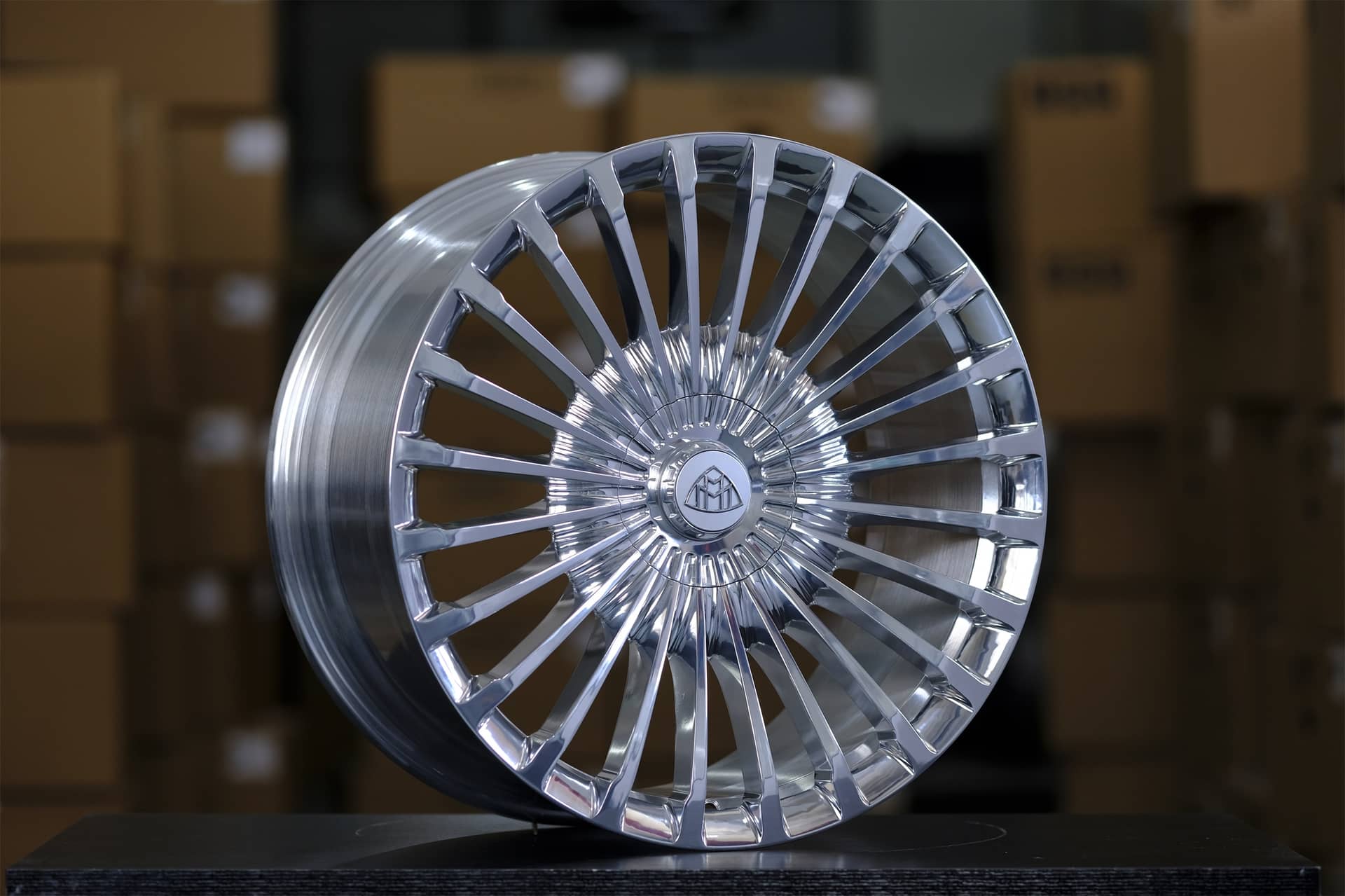
Bolt pattern, center bore and size range for the Chrome Multi-Spoke Turbine, Mercedes-Maybach across 10 Mercedes-Benz models.
Related pages
Application
Application
Application
Application
Application
Application